Secure Sanctuary: The Ultimate Guide to Finding a Safe Shelter
Welcome to our comprehensive guide on securing your sanctuary — a space where you can find solace and security in times of uncertainty. In this article, we delve into the crucial significance of having a safe shelter, exploring the peace of mind and stability it brings during challenging circumstances. We'll walk you through essential criteria for choosing the ideal sanctuary, providing you with invaluable insights into creating a secure haven that meets your unique needs. Get ready to discover practical tips on fortifying your safe shelter, from enhancing its physical security to implementing emergency preparedness measures. Whether you're looking to bolster your existing sanctuary or create a new one from scratch, this guide equips you with the knowledge and tools to safeguard your well-being and that of your loved ones. Join us on this journey to fortify your sanctuary and create a haven of safety and resilience
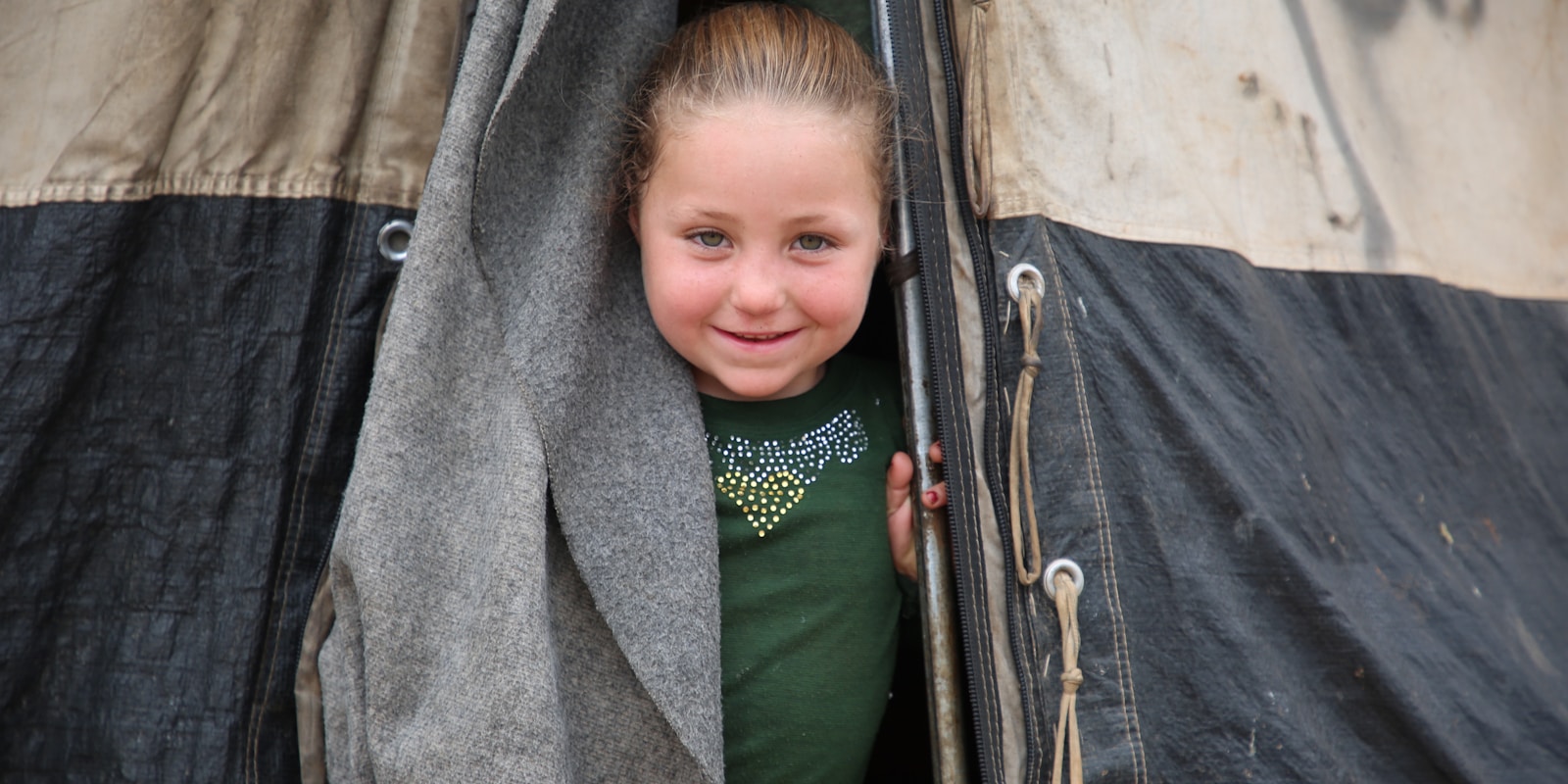
Understanding the Importance of Safe Shelter
Feeling safe and protected in your living space is a fundamental human need that should never be compromised. The concept of a safe shelter goes beyond just a physical structure; it encompasses a sense of security, comfort, and well-being. Having a safe shelter is vital for our physical health and overall well-being. It provides protection from the elements, ensuring we are shielded from harsh weather conditions and external threats. Moreover, a secure sanctuary offers a place where we can relax and rejuvenate, promoting mental and emotional stability. Furthermore, the importance of safe shelter becomes even more evident during times of crisis or emergencies. Whether it's a natural disaster, a global pandemic, or any unforeseen event, having a secure place to retreat to can make all the difference. It becomes a refuge, a haven where we can seek solace and protection when the world outside feels chaotic and uncertain. In addition to physical safety, a safe shelter also contributes to our overall quality of life. It serves as a foundation for building strong relationships, fostering growth, and pursuing our goals and aspirations. When we feel secure in our living space, we are more likely to thrive and excel in other areas of our lives. Ultimately, understanding the importance of safe shelter is not just about having a roof over our heads. It's about recognizing the profound impact that a secure environment can have on our well-being, our relationships, and our ability to navigate life's challenges with confidence and resilience. Investing in creating a safe sanctuary for ourselves and our loved ones is an essential step towards building a brighter, more secure future
**Key Criteria for Choosing a Secure Sanctuary**
When it comes to finding a safe shelter, there are several key criteria that you should consider to ensure you are choosing a secure sanctuary. Whether you are looking for a temporary safe haven during a natural disaster, a permanent residence in a new neighborhood, or a refuge in case of emergencies, the following factors are essential for determining the safety and security of a shelter. Location plays a crucial role in the safety of a shelter. Consider the proximity to potential hazards such as flood zones, earthquake fault lines, or high-crime areas. Opting for a shelter located away from these risks can significantly enhance your safety and peace of mind. Construction and structural integrity are paramount when choosing a secure sanctuary. Assessing the building materials, stability of the foundation, and overall structural design can help determine the resilience of the shelter against various threats like severe weather, intruders, or other emergencies. Access to essential resources is another critical criterion for a safe shelter. Ensure that the shelter has adequate supplies of water, food, medicine, and other necessities to sustain you during times of crisis. Additionally, having access to communication channels, emergency services, and evacuation routes can further enhance the safety of the shelter. Security measures such as locks, alarms, surveillance cameras, and security personnel are vital considerations for choosing a secure sanctuary. These security features can help deter potential threats and provide an added layer of protection for you and your loved ones. Furthermore, the community and neighbors surrounding the shelter can significantly impact its safety. Opt for shelters located in neighborhoods with a strong sense of community, where residents look out for one another and collaborate during emergencies. Lastly, consider the sustainability and long-term viability of the shelter. Evaluate whether the shelter can withstand prolonged periods of isolation or disruption in essential services without compromising safety and comfort. By carefully assessing these key criteria when choosing a safe shelter, you can ensure that you have a secure sanctuary that provides protection, peace of mind, and a sense of safety during challenging times
**Tips for Securing Your Safe Shelter**
When it comes to finding a safe shelter, there are several key tips to keep in mind to ensure that your sanctuary is truly secure. One essential aspect of securing a safe shelter is the location. Look for a shelter that is situated in a low-crime area, away from potential hazards such as flood zones or areas prone to natural disasters. Research the neighborhood thoroughly to gauge its safety levels and ensure it aligns with your security needs. Another crucial tip is to fortify the physical security of your shelter. Invest in quality locks, doors, and windows to make it difficult for unauthorized individuals to gain access. Consider installing a security system with cameras and alarms for added protection. Regularly inspect and maintain these security features to ensure they are functioning properly. Furthermore, establish clear security protocols for everyone residing in the shelter. Educate household members on safety practices, such as locking doors and windows when leaving the shelter and not sharing security codes or keys with strangers. Develop an emergency plan with evacuation routes and designated meeting points in case of a security breach or natural disaster. In addition to physical security measures, it is vital to prioritize cybersecurity in today's digital age. Secure your shelter's Wi-Fi network with a strong password and encryption to prevent unauthorized access to personal information. Be cautious about sharing sensitive details online and educate household members about the importance of protecting their digital footprint. Lastly, consider building relationships with your neighbors and community members. A strong social network can act as an additional layer of security, with neighbors looking out for one another and alerting each other to any suspicious activity. Engaging with your community can create a sense of solidarity and support that enhances the overall safety of your shelter. By following these tips and implementing the necessary security measures, you can create a safe sanctuary that provides peace of mind and protection for you and your loved ones. Remember, staying vigilant and proactive is key to maintaining a secure shelter that you can rely on in times of need

Emergency Preparedness for Your Sanctuary
When it comes to emergency preparedness for your sanctuary, finding a safe shelter is paramount. A safe shelter is not just a physical structure; it is a place that provides protection, security, and peace of mind during uncertain times. Here are key aspects to consider when seeking out a secure sanctuary: 1. Location: Choose a shelter location that is away from potential hazards such as floodplains, earthquake fault lines, or areas prone to wildfires. Accessibility to emergency services and evacuation routes is also crucial. 2. Structural Integrity: Ensure that the shelter you select meets safety standards and is sturdy enough to withstand natural disasters or other emergencies. Consider factors like reinforced walls, secure doors, and adequate ventilation. 3. Supplies and Equipment: Stock your shelter with essential supplies such as food, water, first aid kits, flashlights, batteries, and blankets. Having a well-equipped shelter can make a significant difference in ensuring your safety and comfort during emergencies. 4. Communication Plan: Establish a communication plan with your family members or roommates, outlining how you will stay in touch during an emergency. Include emergency contacts, meeting points, and a method for checking in with each other. 5. Practice Drills: Conduct regular emergency drills to familiarize yourself with the shelter location, emergency procedures, and evacuation routes. Practice scenarios like fires, earthquakes, or severe weather to ensure everyone knows what to do in a crisis. 6. Stay Informed: Stay informed about potential hazards in your area and monitor weather alerts or emergency notifications. Being aware of local threats can help you make informed decisions about when to seek shelter and how to respond in emergencies. By prioritizing emergency preparedness and choosing a safe shelter, you can create a secure sanctuary that offers protection and peace of mind during challenging times. Remember, proactive planning and readiness are key to weathering any storm that comes your way
Enhancing Safety and Security in Your Shelter
Creating a safe shelter goes beyond just physical protection. It encompasses various aspects that contribute to the overall well-being and security of individuals seeking refuge. Enhancing safety and security in your shelter involves a comprehensive approach that addresses not only the immediate physical surroundings but also the mental and emotional well-being of those within the shelter. One crucial aspect of ensuring safety is implementing robust security measures. This includes installing secure locks, alarms, and surveillance systems to deter potential threats and provide early detection of any security breaches. Regular security audits and risk assessments help identify vulnerabilities and ensure that the shelter remains secure at all times. In addition to physical security measures, it is essential to create a supportive and nurturing environment within the shelter. This involves providing access to resources such as counseling services, support groups, and educational programs to help individuals rebuild their lives and regain their independence. A safe shelter should foster a sense of community and empowerment, where residents feel respected, heard, and supported on their journey towards healing and recovery. Furthermore, training staff members on conflict resolution, trauma-informed care, and emergency response protocols is vital in maintaining a safe and secure shelter environment. Equipping staff with the necessary skills and knowledge enables them to handle challenging situations effectively and ensure the well-being of residents at all times. Ultimately, enhancing safety and security in your shelter is a multi-faceted endeavor that requires a holistic approach. By prioritizing the physical, emotional, and social aspects of safety, shelters can create a secure sanctuary where individuals feel protected, supported, and empowered to move forward from their past experiences
Conclusion
In conclusion, ensuring a safe shelter is essential for finding solace and security in uncertain times. From understanding the significance of a secure sanctuary to choosing the ideal space that meets your unique needs, this guide has emphasized the importance of fortifying your safe haven. By enhancing physical security, implementing emergency preparedness measures, and prioritizing your well-being and that of your loved ones, you can create a sanctuary that offers peace of mind and stability during challenging circumstances. Remember, your safe shelter is more than just a physical space - it is a place of safety and resilience where you can weather any storm